You can download the power-point here or scroll down to read online

|
Reversing Diabetes Naturally slideshow....pptx Size : 692.886 Kb Type : pptx |
Reversing Diabetes Naturally
Learn how to naturally reverse your diabetes and improve your health.
By Charles Marble
The Facts
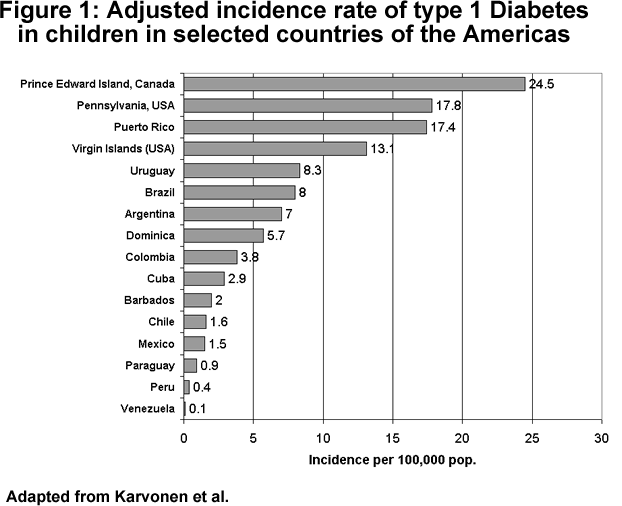
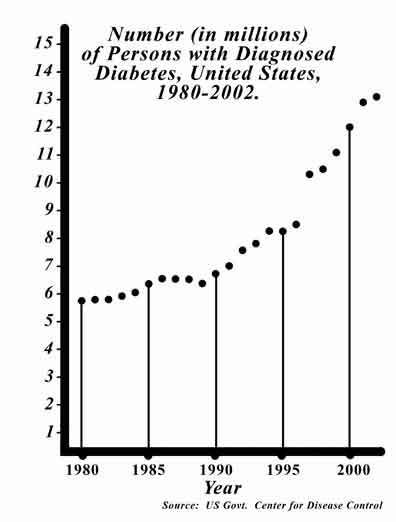
There are 23.6 million people in the U.S., or 8% of the population, who have diabetes. (2007)
Diabetes is the 6th leading cause of death by disease in our country and a chief contributor to blindness, kidney disease, memory loss, lower extremity amputations, and premature death from heart disease.
In 1997… direct health care cost for diabetes were $44.1 Billion... And is costing us upwards of $100 Billion per year. Total annual cost of diabetes in 2007 was estimated to $174 Billion.
Diabetes contributed to 224,092 deaths in 2002.
800,000 new cases are diagnosed each year.
Diabetes is one of the major causes of premature deaths worldwide. Every 10 seconds, a person dies from diabetes related causes. The death rates are predicted to rise by 25% over the next decade.
Type 2 diabetes is responsible for 95% of diabetes cases. 80% of type 2 diabetes is preventable by changing diet, increasing physical activity, and improving the living environment.
22,000 Americans are blinded each year in the US:
10,000 have type 1 diabetes
12,000 have type 2 diabetes
CDC estimates one out of every three children will get diabetes
Statistics From The American Diabetes Association:
Blindness: The number one cause of blindness in people ages 20-74 is diabetic retinopathy. Every year, up to 24,000 Americans loose their sight because of vascular complications caused by diabetes. Glaucoma and cataracts are also more common in individuals with diabetes.
Kidney Failure: Diabetes is the leading cause of kidney failure and is responsible for 40% of all new cases. More than 28,000 diabetics begin treatment each year for end-stage renal disease brought on by diabetes, and at least 100,000 diabetics are currently undergoing dialysis or have received kidney transplant.
Nerve Damage: Diabetic neuropathy effects 60%-70% of all diabetics. Symptoms may range from mild loss of sensation in the feet to constant pain in various parts of the body. Nerve damage may also impair digestion and sexual function, particular in men, and cause a number of other complications.
Amputations: More than 56,000
Cardiovascular Disease: Elevated blood glucose damages the blood vessels and alters blood lipid levels. High triglyceride levels are common in diabetics, as are low levels of protective HDL cholesterol. In addition, hypertension effects almost 60% of individuals with type 2 diabetes. People who have diabetes are 2-4 times are more likely to develop heart disease or have a stroke than nondiabetics, and ¾ of all diabetics (more than 77,000 annually) ultimately die from heart disease.
Infections: Impaired circulation and damaged nerves increase risk of infection. Wounds heal more slowly in diabetics and require more intensive treatment. Areas often effected include the feet, legs, and urinary tract.
Other Complications: Most people are unaware that diabetes also contributes to memory loss, dementia, and periodontal or gum disease.
What is Diabetes?
Two Basic Types
Diabetes mellitus taken from the Greek word for honey or sweet urine. Known as sugar diabetes which is caused by a lack of insulin production or increase of insulin resistance
Diabetes Insipid us From the Greek word to pass through known as water diabetes and is not related in function to mellitus. Caused by a lack of vasopressin a hormone that normally acts to reduce urine output.
Diabetes mellitus is broken down into two types:
Type I which often starts in childhood known as juvenile diabetes. In type I diabetes little or no insulin production is common
Type II diabetes usually occurs in the middle age years, known as adult onset diabetes, though in recent years has occurred in younger people . This type is often regulated with oral forms of medication
Both types typically require insulin injections as the disease process progresses
The two primary factors involved are related to insulin production and insulin resistance.
Insulin is a hormone that is produced by the pancreas which is part of the endocrine system
Too low blood glucose levels the body will go into insulin shock and the cells will starve eventually causing death. Any blood sugar reading below 60 is considered to be lower than normal
Too high blood sugar and acidosis begins causing coma and death if unregulated. Continual elevated sugars over time also contribute the wide range of secondary health problems listed earlier by decreasing oxygen utilization. Any blood sugar reading above 120 is considered elevated.
Insulin signals the glut 4 protein transporters to raise to the surface if the cell and absorb glucose from the blood stream, which lowers blood glucose levels. Insulin resistance is a factor where the glut 4 transportation proteins do not raise to the surface of the cell and absorb the glucose from the blood
Top Causes Of Diabetes:
1). Nutrient and mineral deficient foods
2). Refined processed food that lack fiber
3). Over consumption of simple sugars
4) Acidic PH
5). Weekend inherited genetic traits
6). High fat diet
7). Over consumption of dairy products
8). Over consumption of meats
9). High intake of processed oils
10). Adrenal stress from environment, diet, and emotions
11). Lack of exercise
Conventional diabetes management:
Regular testing of blood glucose levels
Daily glucometer readings
Fasting glucose
Glucose challenge
HB A1C this test measures the glucose bonding ability to the red blood cells and indicates a longer period of time relating to glucose regulation. This test is considered to currently be the most accurate measurement of diabetes management
HBA1C Average Blood glucose
4 60
5 90
6 120
7 150
8 180
9 210
10 240
11 270
12 300
13 330
Target is lass than 7%
Average non diabetic 6%
Treatment methods:
Insulin therapy
Oral medication therapy
Prior to 1922 fasting or starvation therapy was primary medical treatment for diabetes. In 1922 1st pancreatic extract was developed in a Toronto general hospital and was administered to a 12 year old boy Lennard Thompson. The enzyme was derived from canine pancreas and was minimally effective.
Currently there are three primary forms of insulin therapy:
Rapid onset- Humulin R which begins in 30 mins and reaches peak after 2 hours, lasts 6 hours and administered 30-60 mins before meals.
Problems with insulin therapy:
Weight gain, (which increases insulin resistance)
Hypoglycemic reaction where the blood sugar drops too low (below 60)
Allergic reactions to the insulin or the animal proteins used in the production of the insulin called protamine which can inactivate the bodies reaction to the insulin or cause severe allergic reaction, but is far lass common side effect.
The Somogyi effect:
Dr Somogy in the 1930s found that large doses of insulin increase poor diabetes management
Too much insulin causes hypoglycemia, and because this can be life threatening, the body responds and produces the antagonist for insulin.
Cortisol- which is produced by the adrenal glands and promotes the release of glucose and mobilizes the fatty acids to be used for energy
Epinephrine- released by the adrenals which elevates the blood sugar levels to be used for energy production. This is used in the “flight or fight” reaction of the adrenals to get the body moving with quick energy
Growth hormone- released from the pituitary gland
Glucagon- released from the alpha cells in the pancreas by the islets of Langerhan. Glucagon causes glycogen which is stored in the liver to be released which increases blood sugar levels.
This cycle often elevates the blood sugar level too high requiring more insulin to be administered
Dr Somogy felt diabetic patients should take no more than 20 units of insulin per day due to this process
Dawn Phenomenon:
Often people with diabetes have a rise in blood sugar in the mornings.
Over night the liver cleanses itself of metabolic waste and insulin. Often the patient will take more insulin in the afternoon or evening to compensate for the increase in morning blood sugars which increases the Somogy effect leading to a continual cascade of poor blood sugar regulation.
*the most important factor is to maintain efficient glucose control*
Oral diabetic medications:
Sulfonamide drugs began in the 1950s which increase the beta cells production of insulin. They also increase the sensitivity to insulin and modestly inhibit the production of glucose in the liver.
Glyburide (micronase and glynase) Cllorpropamide(diabinase) acetohexamide(dymelor) Tolazamide(tolinase) Glipizide (glucotrol) Tolbutamide (orinase) Glimepiride (Amaryl)
Medications are usually taken 30 mins before meals
Diabeta, micronase, glynase, diabinase, hexamide , DBI phenformin all stay in the blood stream longer and can cause hypoglycemic reactions
Public citizen health research group(Ralph Nader) labels them as DO NOT USE
And labels the others as LIMITED USE ONLY
Other adverse effects from oral diabetic drugs: weight gain which increases insulin resistance, water retention, increase blood pressure. Increase stomach acid secretion.
The worst adverse effect is staggering: The damaging effects to the cardiovascular system
75% diabetics die of heart disease
When orinase was studied by the Public health service of the US government in 1961 the study was stopped because the death rate from heart disease was so high they considered it unethical to continue the study.
The patients taking sulfonylurea drugs had 250% more deaths from heart disease over 8 years than the placebo group
Patients taking DBI phenformin heart disease related death was 300%greater than the placebo group
Insulin sensitizers, or enhancers:
Metformin ( glucophage) produced by Brystol Myers Squibb- improves insulin sensitivity by enhancing the uptake of glucose by the cells and inhibits the livers production of glucose, increases the glut 4 receptors, and slows the absorption of glucose in the gastrointestinal tract
Produced originally from European herb the French lilac, or goats rue with an active ingredient guanidine
This drug was banned by the FDA until 1994
Thiazolidinediones- known as Glitazones
Rosiglitazone( Avandia)
Pioglitazone (Actos)
Triglitazone (rezulin) Which was removed by the FDA in 2000 due to liver toxicity
These drugs improve sensitivity by binding to paroxysmal proliferation activated receptor gamma (PPAR-gamma) which in turn regulates genes involved in glut 4 uptake
They also increase the livers sensitivity to insulin
They increase LDL cholesterol levels by 7-10% and can cause liver damage.
Europe took the medication off market but it still exists in US market
Acarbose (precise) slows absorption of glucose in the blood stream
Known as ( alpha-glucosidase inhibitor) blocks pancreatic enzyme alpha-glucosidase ) which in the gastrointestinal tract breaks carbohydrates into smaller glucose molecules
Liver toxicity and digestive imbalances are primary adverse reactions
How you can reverse your diabetes
Natural ways to reverse diabetes:
Proper diet: Only 100% organically grown foods
Low fat, low protein, high complex carbohydrate, high fiber
Approx 60% diet intake from complex low glycemic carbohydrates
Approx 20% diet from fat
Approx 20 % from protein
Best of 70-80%of diet is made of raw fruits, nuts, seeds, vegetables, and whole grains
Ideal to eat 100% raw food plant based diet, but not required to be successful
No white sugar, No dairy, No fried foods, No white rice, No refined breads and refined grain products, No sodas, No artificial sweeteners, No caffeine related products until your system is restored and then only in moderation at best
Control your PH
2-4 tablespoons Chia gel before each meal and before bedtime
“If man Made it don’t eat it”
Eat food rich in chromium and vanadium to restore the pancreas mineral reserves and decrease insulin resistance
Foods Rich in Chromium:
Broccoli, apples, basil, orange, garlic, nutritional yeast, millet, onions, leaf lettuce, tomato, peas, whole wheat, turkey, nuts, mushrooms, parsnips, strawberries, kidney beans, rhubarb, grapes, black peppercorns, cabbage, carrots, eggs, peppers, pomegranate, seaweeds
Foods rich in vanadium
Parsley, dill, most grains, radishes, leafy greens, seaweeds
May consider augmenting with liquid mineral sources of chromium, Vanadium, and zinc
Eneva is a high quality product and can be used for short periods of time to rebuild pancreases store of chromium and restore the insulin resistant potentials with vanadium(1-3 teaspoons daily with meals)
The PH factor: (acid alkaline)
The matter of the bodies PH is one of the most important elements in maintaining proper health
Often in degenerative diseases the cellular PH become to acidic from eating and drinking too many acid forming foods and not enough alkaline mineral rich foods. As the body becomes too acidic oxygen utilization decreases which causes a cascade of events that weaken the body and internal organs. In the case of diabetes, when the body becomes more acidic and under oxygenated the insulin resistance increases due to the cellular acidity and decrease of oxygen proficiency. One of the best ways to control your health and reduce, or reverse degenerative disease is to keep your body alkaline though proper diet and also reduction in emotional stress.
Ideally we should have 80% alkaline forming foods and 20% acid forming foods
Examples of acid alkaline foods:
Most Acidic alcohol, coffee, black tea, sugar, white vinegar, dairy, meats(especially beef, pork, lobster, fried foods,
Lower acidic foods: vanilla, Stevia, goat milk, lamb, buckwheat, peas, beans, chard, tomatoes, dates, zucchini curry, honey, rice vinegar, fish, grains like millet, amaranth, brown rice, pine nuts, rhubarb, figs, dates, eggs, kasha
High alkaline foods :Baking soda, sea salt, pumpkin seeds, lentils, broccoli, seaweed, onion, miso, raw apple cider vinegar. Limes, nectarines, raspberry tangerine, cinnamon, molasses, poppy seeds, cashews, pepper, parsnips, garlic, asparagus, kale, parsley, endive, mustard greens, ginger root, grapefruit, olive, burdock root
Lower alkaline foods most herbs, rice syrup, almond milk and almonds, sesame seeds, sprouts, bell pepper, cauliflower, cabbage, rutabaga, eggplant, collards, lemons, pears, avocado, apple, blackberry, peach, papaya, oats, wild rice, coconut oil, olive oil, flax oil, brussel sprouts, chives, okra, cucumber, squashes, lettuce, Jicama, oranges, apricots, banana, blueberry, grapes, strawberry, blue green algae
Protein: (20% total calories)
3-4 servings of clean lean protein daily
Beans 1 serving+ 3/4 cup
Raw nuts and nut butters 1 serving = 2 tablespoons
Soy, only fermented forms like miso 1 serving is 1 cup soup= 1 tablespoon miso paste
Avocado 1 serving ½ avocado
Sprouts 1 serving 1 cup may eat as much as you like of fresh sprouts
Meats:
Best to eat a plant based diet
If consuming animal protein:
Turkey, fish 1 serving = 4 oz portion ( approx size of deck of cards)
If eggs are used use the egg whites, may use 1 egg yolk to 3 egg whites. No frying eggs
Fats:
Best to avoid concentrated oils
If using best choice:
1-2 Tablespoons virgin olive oil, flax oil, or borage oil, coconut oil may be use on occasion
Be sure to keep oil amounts limited daily
Fiber:
High fiber diet is important to reduce insulin resistance removal of metabolic waste and also to delay absorption of sugar into blood stream
Eat at least 30 grams of fiber daily
Two Types of fiber:
Insoluble fiber which includes lignin’s and cellulose that give the plants their structure
Soluble fiber Is the gelatinous type of fiber that has jelly like substance when hydrated
Includes pectin found in fruits like citrus apples, strawberries, vegetables, beans, and grains like Chia seeds, flax seed, quinoa.
Vegetables:- 4-6 servings daily
best when fresh and eaten raw, may eat as much as tolerated
Steamed vegetables also acceptable
Artichoke, asparagus, avocado, bamboo shoots, beet greens, broccoli, brussel sprouts, cabbage, carrots(best when raw), cauliflower, celery, chard, chives, collards, cucumber, dandelion greens, eggplant, endive, garlic, green beans, Kale, lettuce, Mung beans, mushrooms, mustard greens, okra, olives, onions, parsley, peas, peppers, pimentos, radishes, rhubarb, shallots, spinach, squash, tomato, turnip, water chestnuts, watercress, zucchini, all sprouts
Good fruits:
Green apples
strawberries
lemons
limes
peaches
nectarines
pears
blueberries
raspberries
grapefruits
boysenberries
black berries
cherries
banana
kiwi
plums
pomegranate
limited grapes
Fresh fruits:
2-3 servings per day
No dried fruits
No tropical fruits
No fruit juices
No watermelon
Base foods and spices:
Cinnamon
Basil
Black pepper
Cloves
Ginger
Cayenne
Vanilla
Raw cacao
Parsley
Tamari sauce
Italian seasoning
Raw unfiltered cider vinegar
Sea salt
Nutritional yeast
Good Sweeteners:
Green leaf Stevia
Brown rice syrup
Lucuma powder
Limited amounts of dark agave
Limited amounts of Ukon syrup
The Chia seed breakthrough in diabetes:
Adding chia seeds into the diet daily alone can dramatically improve blood sugar regulation
Chia seeds have one to two times the protein then all other grains
Highest source of omega 3 and 6 fatty acids of all foods
Three times the antioxidant value of blueberries
5 times the calcium as milk
True hydrocolloid absorbing twelve times it own weight in water
High in soluble fiber
Complex amalose starches that coat the intestinal lining and helps to slow absorption of carbohydrates and sugars decreasing demand on pancrease
Aids in energy production, one tablespoon can sustain a human for 24hrs
Good source of boron which aids in calcium uptake
Decreases cholesterol levels and reduces cholesterol plaque
Aids in bowel regulation
Chia seeds can also be soaked into gel form and used in replacement of eggs and oils in baking dishes. See the web site www.nuchia.com for conversion amounts
Herbal approaches:
Juniper berries and cedar berries are the best herbs known to restore insulin production
Bitter Mellon is also a great herb to assist with insulin regulation
Other herbs cinnamon, dandelion root, parsley root, dandelion leaf, maca root, and Siberian ginseng
Nutritional aids:
Minerals of chromium, vanadium, and zinc
To date the best form of mineral augmentation available is from a company named Eneva. The product developed is sold as van chrom zin, which contains all three of the above mentioned minerals
This is a liquid form of mineral which is available to the body in the angstrom particle size which is the particle size that is provided in plants. This allows for easy absorption and utilization while also allowing the body to release any amounts that are not needed without residual toxicity concerns. This product is classified as a nutricuetical and is the only supplement recommended in this program
Exercise:
One of the most important factors in health is adequate exercise. It is imperative to improve diabetes related health problems. The systemic movement of blood circulation reduces the internal stagnation to organ function and blood vessels. Exercise also helps to regulate a process called oxidative phosphorlation which is how our body oxidizes our metabolic waste and also regulated how our cells utilize oxygen in it’s cellular metabolism of energy production.
Daily exercise must be maintained. The best exercise is the one you do.
Even walking 1 mile a day can show significant results. Best way to develop an exercise program suited to your own individual needs is to hire a personal trainer to work with you and develop a fitness plan for you.
*Remember exercise is a required component in reversing your diabetes!!!
Other related therapies demonstrated to be assist full:
Thermal acupressure
Acupuncture
Vibrasonic vibrational therapy
Relaxation therapy and bio feedback, massage, body talk, to reduce emotional stress indicators.
